

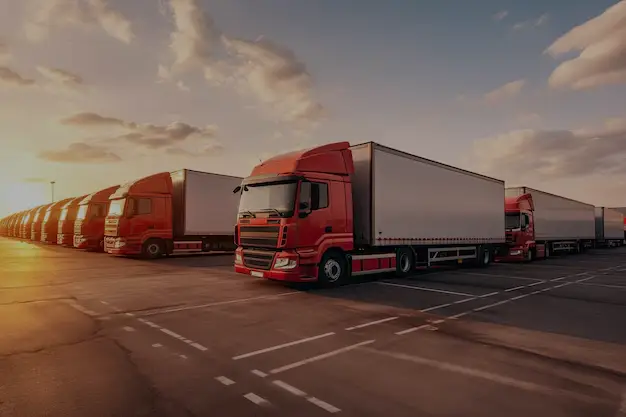
There is a transformation happening within the trucking industry regarding how drivers log hours and remain compliant on the road. This shift is driven largely by the FMCSA ELD mandate — a nationwide regulation that establishes nationwide standards for the use of electronic logging devices (or ELDs) in the commercial transportation industry. So, what is this rule, and why is it important for drivers and fleet owners?
Whether you are a first-time trucker or an experienced fleet manager, this guide simplifies the important ELD rules for truckers, as well as how to maintain compliance as per the electronic logbook law.
Understanding the FMCSA ELD Mandate
The former FMCSA issued THE FMCSA ELD mandate to regulate roads better and reduce driver fatigue. It mandates the use of electronic logging devices for nearly all commercial drivers to track their Hours of Service (HOS).
And prior to his rule, most drivers manually logged their duty status in paper logs, which could easily be falsified. Now, ELDs take the manual aspect out of driving logs by syncing directly with a vehicle’s engine, automatically logging driving time accurately and in real-time.
Understanding the FMCSA ELD Mandate
The trucker ELD rules apply to most commercial motor vehicle (CMV) drivers who must keep HOS records. This includes:
Drivers operating vehicles over 10,001 lbs. in interstate commerce
Drivers hauling hazardous materials
Drivers operating vehicles designed to carry 8+ passengers for compensation or 15+ without
But there are some exceptions to this:
Drivers working under a short-haul exemption
Commercial drivers who utilize paper records of duty status (RODS) for up to 8 days in a 30-day window
Driveaway-towaway operators for whom the vehicle they drive is good
Key ELD Mandate Main Requirements
When you know what the electronic logbook law requires from drivers and what it expects from the carriers, that is when you understand the regulation. Key requirements include:
Certifications: Only ELDs that have been certified by FMCSA are compliant.
Engine connectivity (automatic): The ELD should be able to connect with the engine for automatically documenting the time when the engine was running and moving the vehicle.
Immutable data: Logs should be disallowed from all changes other than marking notes or status corrections by drivers.
Real-time position tracking: Position shall be captured at the time of change of duty status.
Check and certify driver logs: Drivers must check and certify logs to prove compliance and be able to transfer this data to officials on demand (telemetry or USB/Bluetooth).
Commercial Vehicle ELD Mandate Advantages
Beyond just staying clear of fines and in compliance with the law, there are tangible rewards for truckers who play it by the book when it comes to ELD:
Reliable HOS monitoring: It minimizes the likelihood of unintended infractions and DOT fines.
Safety: Allows for taking breaks and reduces the chances of tired driving.
Easier inspections: ELDs allow for the submission of documents during inspections from the roadside.
Reduced functional cost: It results in less time taken to maintain records, which also means fewer administrative errors.
Insights on fleet performance: While most ELDs offer something of a data analytics component, which can be used to enhance route efficiency and lower fuel costs.
What If You Choose Not to Comply?
Non-compliance with the FMCSA ELD mandate can lead to:
Fines Along With Penalties And Roadside Inspections
Out-of-service orders for non-compliant drivers
CSA score decreases, affecting the public safety record of your company
Non-compliance comes with lost contracts and damage to a business’s relationship with its brokers or shippers as well.
How to Select the Right ELD for Compliance
For hassle-free operation, go with the plug-and-play ELDs like PT30 and PT40 by Rehmat Solutions that are 100% FMCSA compliant and can be installed and configured in no time to provide accurate logs and full compliance. Our solutions streamline processes, minimize violations, and free truckers from paperwork so that they can focus on the real thing: the road.
Final Thoughts
The electronic logbook law is not just a legal requirement—it’s a law that seeks to create safer highways and smoother operations. A deeper understanding of the FMCSA ELD mandate and the relevant technology that truckers and fleet owners can make the right technology decisions that will help them remain compliant, save money, and pave the way for a safer transportation future.
Need help staying FMCSA compliant? Give us a call at Rehmat Solutions today, and begin to set up your ELD without any hassle.

adminmonika
By thinking on behalf of our clients every daywe anticipate what they want provide what they need & build lasting relationships.